
Can Dogs Eat Quinoa? Benefits and Risks Explained
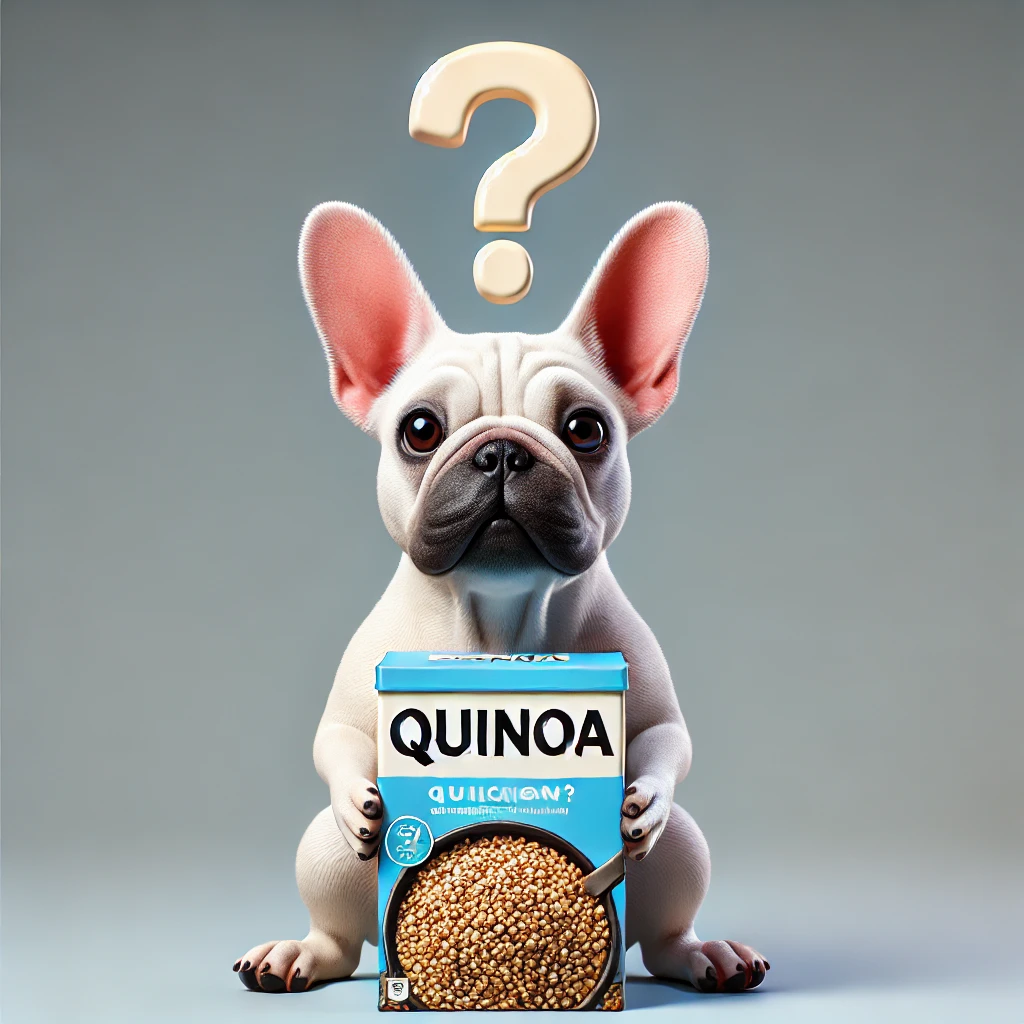
Quinoa for Canines: The New Paw-some Superfood!
Are you tired of your dog giving you the side-eye when you munch on your healthy quinoa salad? Well, guess what? Your furry friend can join the quinoa craze too! But before you start sharing your quinoa bowl with Fido, let’s dive into the wonderful world of quinoa and find out why it’s not just a trendy grain for humans, but a superfood sensation for dogs as well!
Can Dogs Eat Quinoa? Fido’s New Superfood Secret!
Alright, quinoa lovers, gather ’round! You might be munching on your superfood salad and wondering, “Hey, can my furry buddy join in on this quinoa craze?” Well, let’s dig into it and find out if your dog can get on the quinoa bandwagon!
Quinoa for Dogs: A Tail-Wagging Treat!

First things first—what on earth is quinoa (pronounced KEEN-wah, not Quinn-oh-ah)? It’s a seed that acts like a grain and hails from the Andean region of South America. This ancient food has been strutting its stuff for thousands of years, boasting high protein, essential amino acids, fiber, vitamins, and minerals. Basically, it’s like the superhero of the seed world.
Can Dogs Have Quinoa? Yes, And They Love It!
Drumroll, please… Yes, dogs can eat quinoa! It’s generally safe for them and can be a nutritional goldmine if served properly. But, and there’s always a but, moderation and preparation are key to avoiding any food fiascos.
According to PetMD, “Quinoa can be a healthy addition to your dog’s diet when fed in moderation and cooked thoroughly.” Most veterinarians agree it’s a nutritious, protein-rich food that offers valuable benefits for active or aging dogs.
Nutritional Benefits of Quinoa for Dogs

Quinoa isn’t just a pretty face. It’s packed with goodies that can benefit your dog:
-
High in Protein:
Quinoa is a complete protein, meaning it’s got all nine essential amino acids. That’s a big win, especially for veggie-loving dogs.
-
Fiber:
This stuff is great for digestion, helping keep things moving smoothly in the gut department.
-
Vitamins and Minerals:
Quinoa is a powerhouse of vitamins B and E, magnesium, iron, and zinc—perfect for keeping your dog’s health in tip-top shape.
-
Low Glycemic Index:
Good news for diabetic dogs or those on a low-sugar diet. Quinoa won’t spike their blood sugar levels.
Quinoa is often recommended for dogs with diabetes or weight concerns. While not every dog food lists glycemic index values, quinoa is naturally low-GI and won’t spike blood sugar levels like white rice or potatoes. The Spruce Pets lists quinoa as a wholesome option for pets needing more stable energy release.
How to Safely Prepare Quinoa for Dogs

You can’t just toss raw quinoa at your dog and call it a day. Here’s how to make it doggy-friendly:
Rinsing quinoa isn’t just a nice-to-do—it’s essential. Quinoa is naturally coated with saponins, a bitter compound that can irritate your dog’s digestive tract. According to MasterClass, rinsing quinoa under cold water for 30 seconds removes the majority of these saponins, making it safe and easier to digest.
1. Cook Thoroughly:
Raw quinoa is a no-go. It needs to be cooked well to be digestible and safe.
2. Skip the Seasonings:
Keep it bland. No salt, no spices, no fancy flavors. Just plain ol’ quinoa.
3. Serve in Moderation:
🐾 Portion Guidelines (General):
-
Small Dogs (under 20 lbs): 1–2 tablespoons of cooked quinoa
-
Medium Dogs (20–50 lbs): 2–4 tablespoons
-
Large Dogs (50+ lbs): ¼–½ cup
Always start small and observe for any tummy trouble or allergic reactions.
While allergies to quinoa are rare, watch for symptoms like itching, ear inflammation, vomiting, or diarrhea. If you’re unsure, consult with your vet before adding any new food. Spot Pet Insurance recommends introducing new ingredients slowly to avoid reactions.
📌 Source: PetMD and Spot Pet Nutrition
Potential Risks of Feeding Quinoa to Dogs

Even superfoods have their downsides. Here are a few risks to keep in mind:
-
Saponins:
These naturally occurring compounds can irritate your dog’s digestive system. Rinse quinoa well before cooking to minimize this risk.
-
Digestive Issues:
New foods can upset some dogs’ stomachs, leading to diarrhea or vomiting.
-
Allergic Reactions:
While rare, some dogs might be allergic to quinoa. Watch for itching, swelling, or trouble breathing.
Can You Eat Quinoa Raw? Not for You or Rover!
Signs of a Good Fit: How to Know if Your Dog Enjoys Quinoa

Every dog is unique, just like their humans. Here’s how to tell if quinoa is a hit:
-
Increased Energy:
A nutritious diet can give your dog a noticeable pep in their step.
-
Healthy Coat:
Shiny fur is often a sign of good nutrition.
-
Regular Digestion:
If your dog’s bathroom habits are steady and normal, quinoa might be a good fit.
Alternatives to Quinoa
Not all dogs dig quinoa. If it’s not their thing, here are some alternatives:
-
Brown Rice:
Easy to digest and a good carb source.
-
Oatmeal:
Great for dogs with sensitive stomachs, providing a fiber boost.
-
Barley:
Another fiber-rich option with essential nutrients.
Wrapping It Up

So, can dogs eat quinoa? Absolutely! With the right preparation and moderation, quinoa can be a great addition to your dog’s diet. Just remember to introduce it slowly and keep an eye on how they react. And, of course, always consult with your vet before making any big changes to your pup’s menu.
Got more questions or funny stories about your dog’s food adventures? Drop them in the comments!
Is Quinoa Good for Dogs? Pawsitively Delicious!
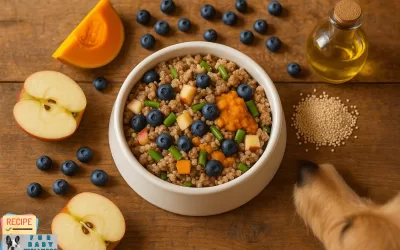
Quinoa and Veggie Delight

Ingredients:
- 1 cup quinoa, rinsed
- 2 cups water or low-sodium chicken broth
- 1 cup cooked chicken breast, shredded
- 1/2 cup carrots, finely chopped
- 1/2 cup peas
- 1/4 cup spinach, chopped
- 1 tablespoon olive oil
Instructions:
Prepare the Quinoa
- Rinse the quinoa thoroughly under cold water to remove any bitterness.
- In a medium saucepan, combine the rinsed quinoa and water (or chicken broth).
- Bring to a boil, then reduce the heat to low, cover, and simmer for about 15 minutes, or until the quinoa is cooked and the liquid is absorbed.
- Fluff the quinoa with a fork and set aside to cool.
Cook the Chicken
- While the quinoa is cooking, heat a small amount of water in a skillet over medium heat.
- Add the chicken breast and cook until it’s fully cooked through, about 5-7 minutes per side.
- Remove the chicken from the skillet, let it cool, and then shred it into small, bite-sized pieces
Prepare the Vegetables
- In the same skillet, heat the olive oil over medium heat.
- Add the carrots and peas, and sauté for about 5 minutes, or until the vegetables are tender.
- Add the spinach and cook for another 2-3 minutes, or until wilted.
Combine and Serve
- In a large mixing bowl, combine the cooked quinoa, shredded chicken, and sautéed vegetables.
- Mix everything together thoroughly.
- Allow the mixture to cool completely before serving it to your dog.
Storage:
- Store any leftovers in an airtight container in the refrigerator for up to 3 days.
- For longer storage, you can freeze portions for up to 3 months.
Nutritional Benefits:
-
Quinoa:
High in protein and fiber, helps with digestion and muscle maintenance.
-
Chicken:
A great source of lean protein for muscle growth and repair.
-
Carrots:
Rich in beta-carotene, good for eye health and a source of antioxidants.
-
Peas:
Provide vitamins A, K, and B, as well as fiber and protein.
-
Spinach:
Contains iron, antioxidants, and vitamins that promote overall health.
-
Olive Oil:
Healthy fats for a shiny coat and healthy skin.
Notes:
- Always introduce new foods gradually into your dog’s diet to monitor for any adverse reactions.
- Consult with your vet before making significant changes to your dog’s diet, especially if your dog has any health conditions.
Your dog will surely enjoy this wholesome and delicious meal, providing them with essential nutrients for a healthy and happy life!

Thank you for Checking out my blog post
Can Dogs Eat Quinoa? Benefits and Risks Explained
People Also Ask
Q: Is quinoa better for dogs than rice?
👉 Answer: Quinoa has more protein, fiber, and nutrients than white rice, making it a nutritious option for many dogs. However, brown rice is gentler on digestion and may be better for pups with sensitive stomachs. A rotation between the two can offer balanced benefits.
Q: How much quinoa can a dog have?
👉 Answer: Start small — about 1 tablespoon of cooked quinoa for small dogs, and up to ¼ cup for larger breeds. Always introduce new foods gradually and observe for any signs of discomfort or allergies.
Q: Is quinoa good for dogs with allergies?
👉 Answer: Yes, quinoa is often used as a hypoallergenic grain alternative in limited-ingredient diets. It’s naturally gluten-free and may be easier to tolerate than wheat, corn, or soy — but always consult your vet if your dog has known sensitivities.
Q: Can dogs eat cooked quinoa?
👉 Answer: Absolutely. In fact, quinoa should always be cooked before feeding it to your dog. Serve it plain — without spices, garlic, or onions — and mix it with your dog’s regular food or a homemade meal.
Q: Can dogs eat quinoa everyday?
👉 Answer: While quinoa is healthy, it should be served in moderation. Feeding it daily is fine for most dogs if it’s part of a well-balanced, vet-approved diet. Just make sure it’s not the main ingredient every day.
Q: Is quinoa bad for dogs?
👉 Answer: No, quinoa isn’t bad for dogs when cooked and fed properly. However, feeding too much too fast or using seasoned or raw quinoa can lead to stomach upset. Keep it plain and portion-controlled.
🐾 Still curious about what’s best for your dog’s bowl?
You’ve got questions — and we’ve got recipes. Grab your copy of The A-to-Z Cookbook for Healthy Homemade Dog Food and unlock 101 easy, vet-approved meals your pup will love.
Ready to Feed Your Dog Better, One Meal at a Time?

Grab your copy of The A-to-Z Cookbook to Healthy Homemade Dog Food and start cooking nutritious, tail-wagging meals today. Your fur baby deserves it.






















0 Comments