
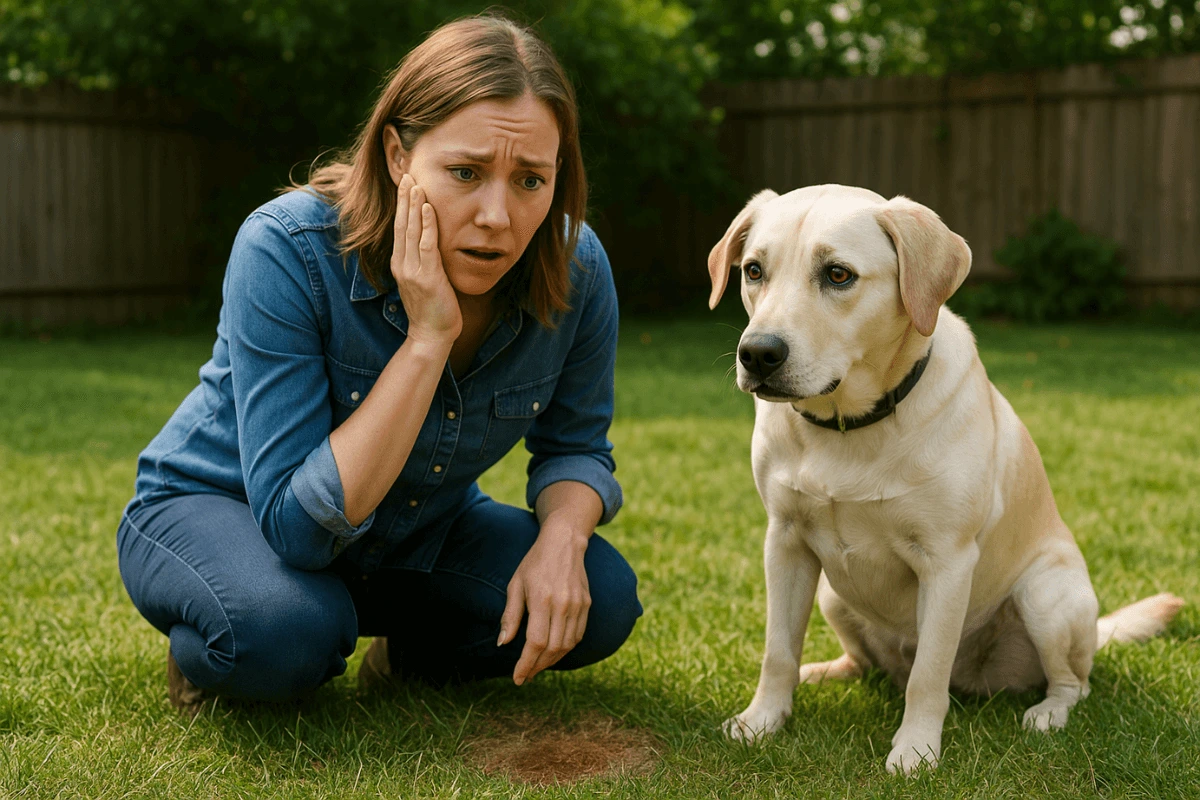
🪴 Dog Diarrhea Blood: Why Is There Blood in My Dog’s Diarrhea? What It Means, What to Do, and When to Freak Out (or Not)
You’re just doing your usual cleanup routine when — gasp — you spot something red in your dog’s poop. Is it blood? Is it ketchup? Did they eat a red crayon?
Deep breath, pet parent. While it’s always a little jarring to see blood in your dog’s stool, it doesn’t always mean something tragic. But it does mean something’s up — and we’re going to help you figure out what.
Below, we break down all the gory (but important) details: from the causes, the colors, and the cures… to when it’s time to call the vet like your dog just swallowed your AirPods.

🐾 Is It Normal for a Dog to Have Diarrhea with Blood?
Let’s be honest: nothing about bloody diarrhea is normal — but that doesn’t mean it’s always an emergency. The keyword here (pun intended) is context.
🦸️ What Is “Dog Diarrhea Blood” Exactly?
“Dog diarrhea blood” is one of the most-searched pet health terms — and for good reason. Blood in stool can appear red, maroon, or even black depending on where in the digestive tract it originated.
⚠️ Is Dog Pooping Blood an Emergency or Just a Scare?
If your dog is pooping blood but still eating, drinking, wagging, and begging for snacks… it might not be an emergency, but it’s still worth monitoring. On the flip side, if your dog is lethargic, vomiting, or also bleeding from the anus — it’s time to call the vet.
🐕 My Dog Has Diarrhea and Blood — But Seems Fine?!
Yep, it happens.
-
Dog poop has blood but acting normal
-
Dog diarrhea with blood but acting normal
-
Blood in dog diarrhea but acting normal
These searches are incredibly common. Sometimes, dogs are outwardly chill while their gut is throwing a tantrum. It could be stress colitis, a dietary mishap, or something more serious brewing under the surface.
🐾 Understanding the Different Types of Bloody Stool
Color matters. Texture matters. And yes, the “jelly factor” matters too.
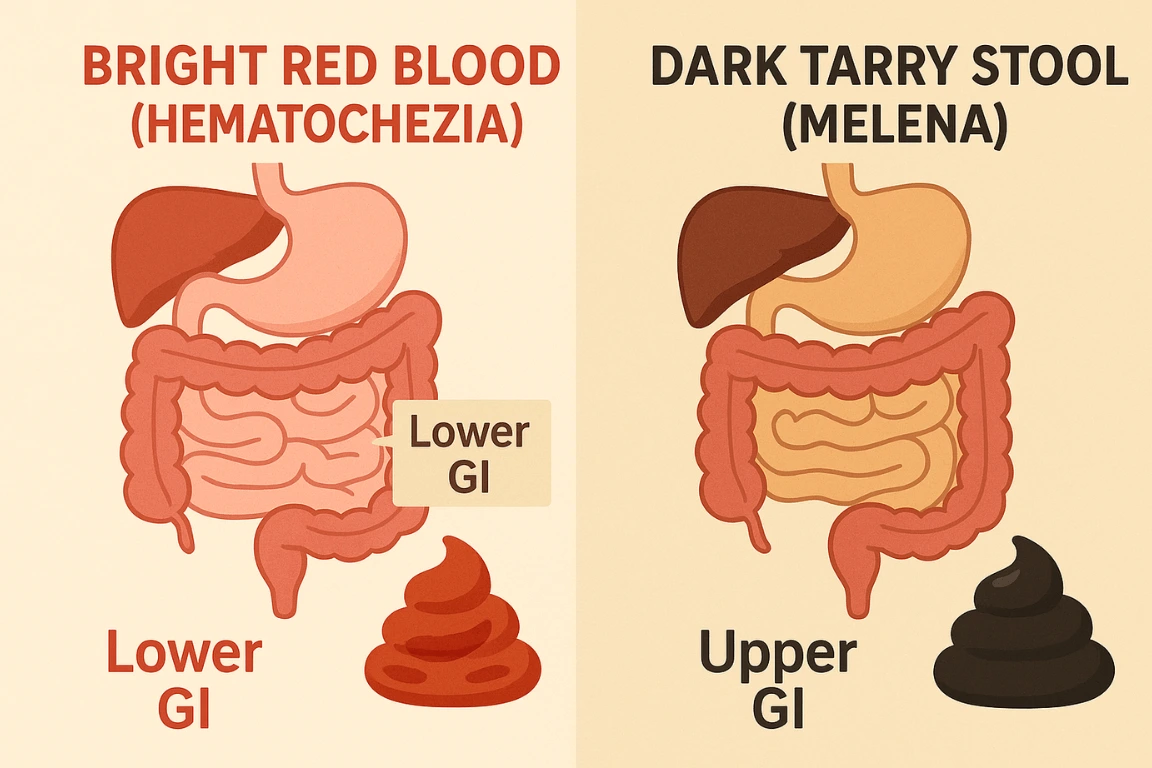
🔴 Dog Diarrhea Blood Bright Red (Hematochezia)
If the blood is bright red, it’s likely from the lower digestive tract — think rectum or colon. Hemorrhoids? Anal gland irritation? Maybe your pup got into that spicy burrito.
⚫ Dog Poop Dark Blood (Melena)
Dark, tarry stools usually mean blood from higher up in the GI tract — like the stomach or small intestine. This type of bleeding is a bigger deal and often signals internal issues.
💜 Dog Diarrhea Blood Jelly — What Is It?
Yup, this is as gross as it sounds. Mucousy, jelly-like blood in diarrhea may be a sign of colitis or parasites. It’s one of those “call your vet but don’t panic” situations.
💦 Dog Diarrhea Blood Mucus vs. Regular Mucus
Mucus alone isn’t always a red flag. But dog diarrhea blood mucus is a combo that usually signals inflammation or infection in the colon.
🤢 Dog Poop Has Blood and Mucus in It
Another variation that suggests irritation, parasites, or even IBD. Keep a sample. Your vet will love you forever (okay, maybe just appreciate you).
🧢 Dog Diarrhea Blood and Vomiting
This combo is never good. Possible causes: poisoning, severe infections, or pancreatitis. Vet visit = non-negotiable.
🪩 Dog Poop Blood and Vomit
See above. Vomiting and blood together mean your dog is losing fluids fast. Time is of the essence.
🔍 Dog Poop and Blood — Spotting the Signs
Even tiny streaks of blood count. Always keep an eye out, especially after dietary changes or stressful events.
🧸 Dog Poop Fresh Blood vs. Dried Blood
Fresh blood = bright red. Dried or digested blood = dark brown or black. This distinction helps your vet pinpoint the issue.
Dog Diarrhea Blood Drops — Small but Serious?
Even small drops could signal bleeding from the rectum due to trauma or inflammation. Don’t ignore it just because it’s “only a little.”
Dog Diarrhea Blood Signs, Causes, and Treatment Tips
🐾 What Causes Blood in Dog Diarrhea?
Here’s where the detective work begins…
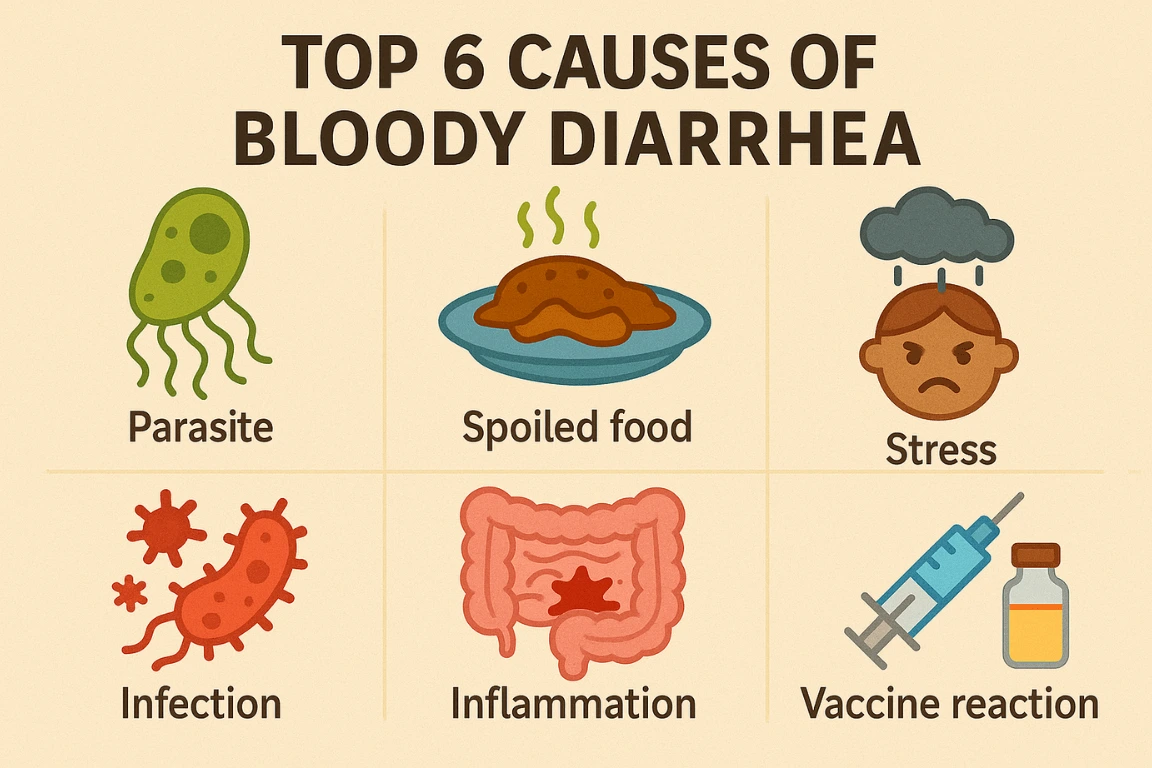
🦠 Blood in Dog Diarrhea Causes
Top offenders include parasites, dietary indiscretion, stress colitis, food sensitivities, infections (like parvo), or even cancer in older dogs.
🍽️ Dog and Diarrhea Causes — It’s Not Just Food
Eating trash, stealing cat poop, or bingeing on table scraps can all result in messy consequences. (Looking at you, Fluffy.)
💉 Dog Bloody Diarrhea After Vaccines
Very rare, but possible if your pup had a reaction. Always report post-vaccine symptoms to your vet.
😬 Dog With Diarrhea Blood — Parasites, Stress, or Worse?
Worms, giardia, stress from boarding, or a sudden change in food can all trigger this. Always consider recent events in your dog’s life.

🐾 What Should You Do Right Away?
Time to shift from panic mode to plan mode.
📞 My Dog Poop Blood and Throw Up — Call the Vet Now?
Yes. That’s a clear sign of systemic distress. Dehydration and electrolyte loss happen fast.
🚪 Dog Diarrhea and Bleeding from Anus — What’s Going On?
Could be trauma, severe inflammation, or even rectal polyps. Either way, have your vet take a look.
🏡 Home Remedies for Dog Diarrhea with Blood
Some mild cases respond well to:
- Bland diet (boiled chicken + rice or sweet potato)
- Pumpkin purée (plain, no spice)
- Hydration support (bone broth or electrolyte mix)
🧴 Dog Diarrhea Blood Home Remedy That’s Safe
Start small: plain white rice with a spoon of pumpkin. But if symptoms persist past 24 hours — stop and consult your vet.
🧪 When to See the Vet vs. When to Monitor at Home
Call the vet immediately if:
- Blood is profuse or dark/tarry
- Your dog is vomiting, lethargic, or dehydrated
- Diarrhea lasts more than 2 days
- Your gut says “this feels wrong”
🧼 How to Collect a Sample for Testing
Glove up. Use a clean bag or container. Store it in a sealed ziplock in the fridge (not freezer) and bring it to your vet.
🐾 Treatment Options and Recovery Tips
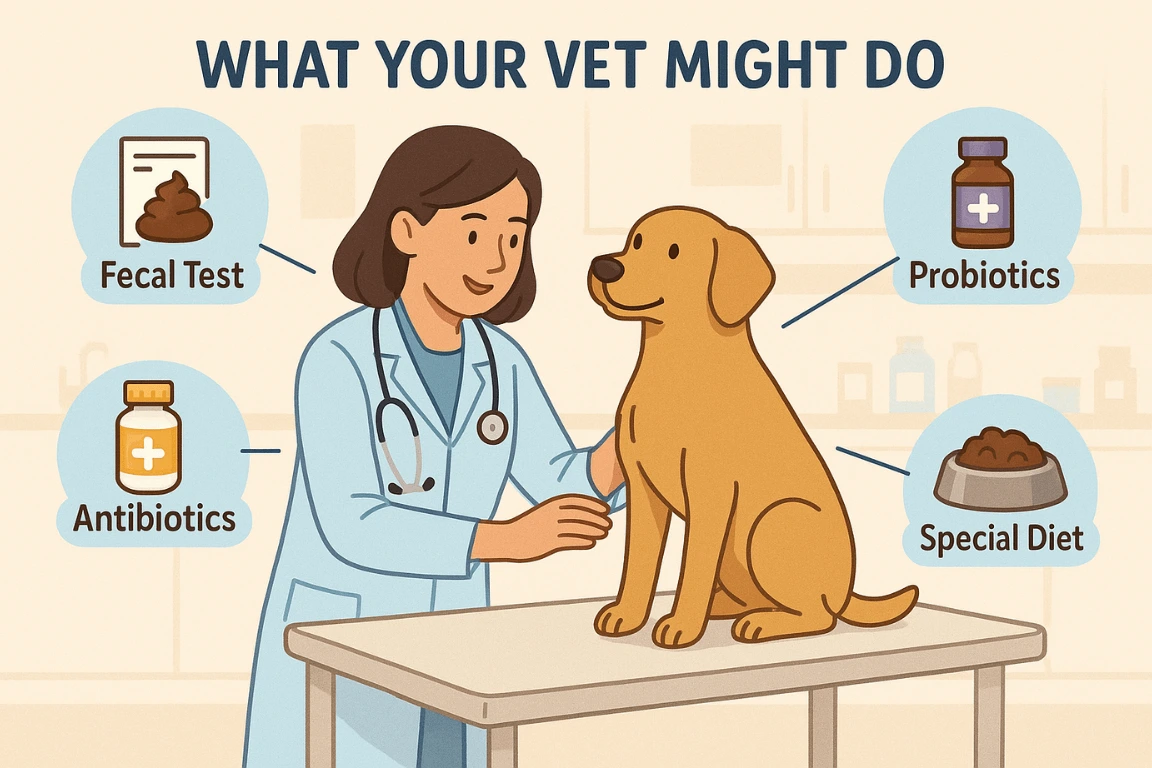
💊 Dog Diarrhea Blood Treatment Options
Veterinarians may recommend:
- Anti-parasitic meds
- Antibiotics or anti-inflammatories
- Probiotics
- Special GI diets
🐶 Nutrition Support During Recovery
Stick to easily digestible foods for at least 3 days. Reintroduce regular kibble gradually.
🍲 Reintroducing Food After Bloody Diarrhea
Go slow. No raw food, fatty treats, or cheese. Your dog may act hungry — but their gut isn’t ready for bacon bits yet.
🐾 Final Thoughts: Keep Calm and Monitor the Poop
Blood in your dog’s poop is never fun. But now you’re informed, prepared, and ready to take the right steps. From monitoring subtle changes to knowing when to hit the vet’s speed dial, you’re now the poop-detective your dog never knew they needed.
🩸 Dog Diarrhea Blood Can Be Scary — But It’s Often Treatable
The sight of blood in your dog’s poop can feel like a punch to the gut — but try not to panic. In many cases, it’s caused by something treatable like dietary indiscretion, parasites, or stress colitis. With quick attention, proper hydration, and support from your vet, most dogs bounce back fast. The key is not ignoring the signs, even if your pup seems fine on the outside.
🛡️ Prevention Tips — How to Keep This from Happening Again
Prevention starts with routine care. Keep your dog on a consistent, high-quality diet, and avoid sudden food changes. Stay up to date on parasite prevention (especially if your dog loves sniffing poop in the park), and minimize stress where possible. For sensitive stomachs, consider a vet-approved probiotic or a specialized GI-support food.
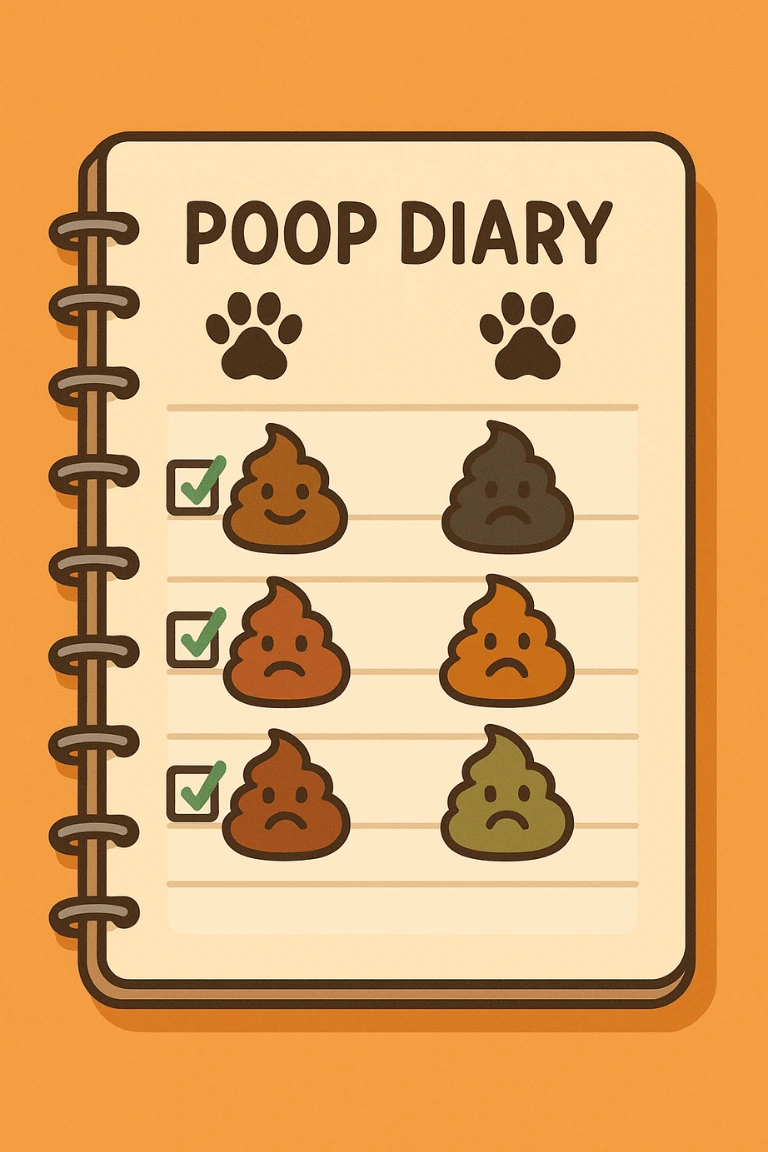
📊 Track Poop Changes and Stick to a Healthy Diet
Yes, we’re giving you permission to be a poop detective. Monitor changes in your dog’s stool — consistency, color, mucus, or blood — and jot down notes if things seem off. A poop journal might sound silly, but it can help your vet make a faster, more accurate diagnosis. Combine that with a simple, nutritious, balanced diet, and you’ll give your pup the best shot at digestive health.
People Also Ask
Q: What causes dog diarrhea with blood?
A: Common causes include parasites (like worms or giardia), infections (bacterial or viral), dietary indiscretion, stress colitis, or inflammation in the intestines. In rare cases, cancer or autoimmune conditions may be involved.
Q: Why is my dog’s diarrhea bloody?
A: Bloody diarrhea may result from irritation or damage to the lining of your dog’s gastrointestinal tract. This could be due to infection, food allergies, or internal bleeding, depending on the color and severity.
Q: What does blood in dog diarrhea mean?
A: It means there’s some degree of bleeding within the digestive tract. Bright red blood (hematochezia) comes from the lower intestines, while dark tarry blood (melena) indicates upper GI bleeding. Always monitor symptoms and call your vet if unsure.
Q: Why would a dog have diarrhea with blood?
A: Dogs might experience bloody diarrhea due to abrupt food changes, ingesting spoiled food, parasites, stress, or infections. It’s important to track recent changes in diet, environment, or stress levels.
Q: Is dog pooping blood an emergency?
A: It can be. If it’s accompanied by vomiting, lethargy, dehydration, or very dark/tarry stool, contact your vet immediately. If your dog is otherwise acting normal, observe for 24 hours and provide a bland diet while monitoring closely.
Q: What are the main causes of blood in dog diarrhea?
A: The most common causes include parasites, dietary indiscretion, inflammatory bowel disease, stress colitis, toxin ingestion, and infections like parvo.
Q: Can stress cause bloody diarrhea in dogs?
A: Yes. Just like humans, dogs can develop gastrointestinal upset due to stress. This is called stress colitis and is common after boarding, moving, or significant household changes.
Q: What should I feed a dog with bloody diarrhea?
A: Start with a bland diet: boiled chicken, plain white rice, or cooked sweet potato. Avoid fatty foods, dairy, and treats. Pumpkin purée (plain, no sugar) is also helpful for soothing the gut.
Q: When should I take my dog to the vet for bloody stool?
A: Immediately if symptoms include vomiting, dark/tarry stool, weakness, or ongoing diarrhea for more than 48 hours. A quick vet visit can rule out serious problems and prevent dehydration.
Q: Can worms cause blood in my dog’s poop?
A: Absolutely. Hookworms and whipworms are common culprits. A fecal test at your vet’s office can confirm the presence of parasites and determine proper treatment.

📟 References
- American Kennel Club (AKC). “Blood in Dog Poop: What to Do.”
- VCA Animal Hospitals. “Hematochezia and Melena in Dogs.”
- PetMD. “Bloody Diarrhea in Dogs.”
- Merck Veterinary Manual. “Gastrointestinal Bleeding in Small Animals.”
- MSD Veterinary Manual. “Colitis in Small Animals.”
- Cornell University College of Veterinary Medicine. “Diarrhea in Dogs.”



















0 Comments