
Dog Eats Grass? Why It Happens + When to Worry (Vet Guide)
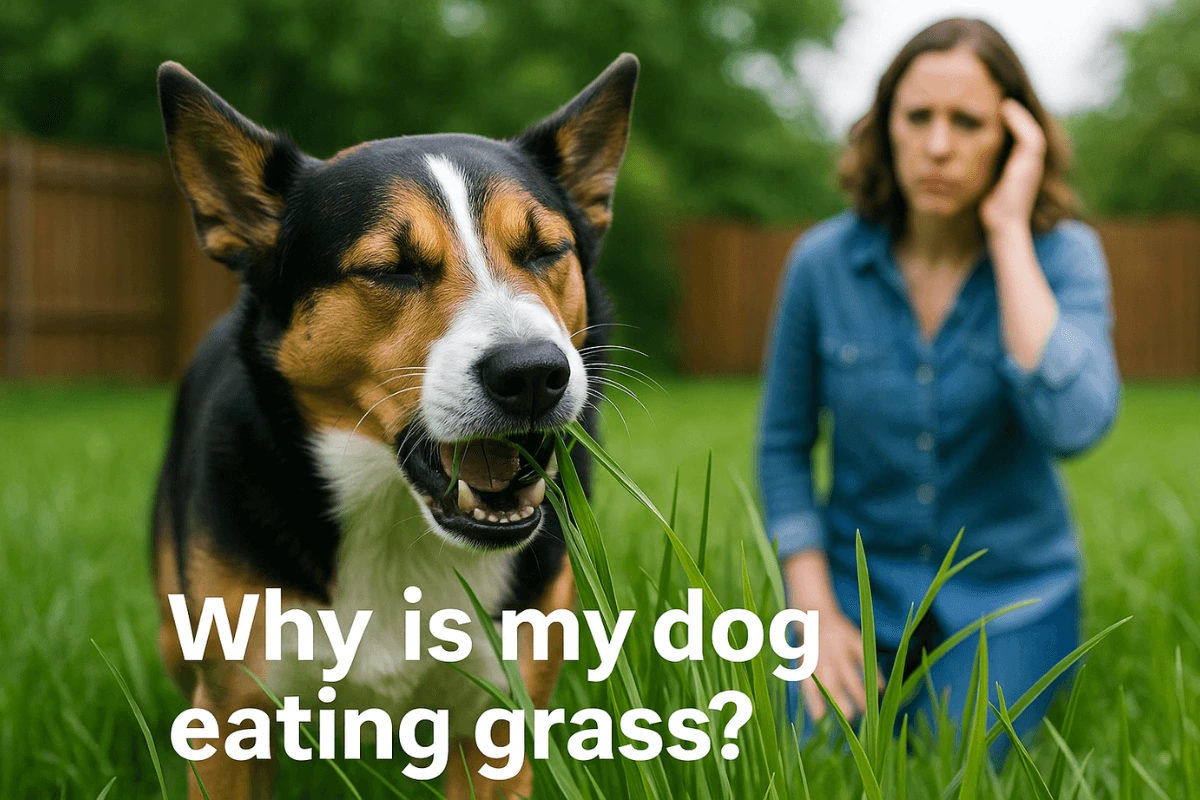
Is Grass Munching Normal for Dogs? [AKC, VCA]
Picture this: you’re out for a walk, enjoying the sunshine, and your dog suddenly dives nose-first into your neighbor’s lawn like it’s an all-you-can-eat salad bar. You’re not alone. In fact, “dog eating grass” is one of the most searched behaviors online by confused (and slightly grossed-out) dog parents.
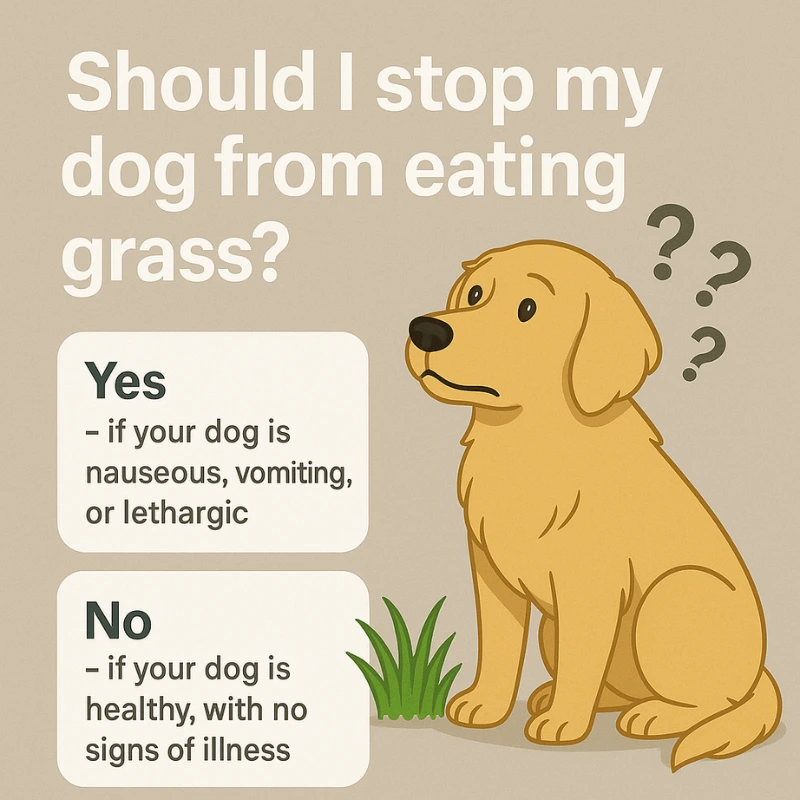
So, is it normal when a dog eats grass? Absolutely. Most dogs eat grass occasionally, and vets generally consider it a common and non-harmful behavior—unless it’s paired with vomiting, diarrhea, or excessive frequency.
Common Reasons Dogs Eat Grass (And the Weird Ones Too)
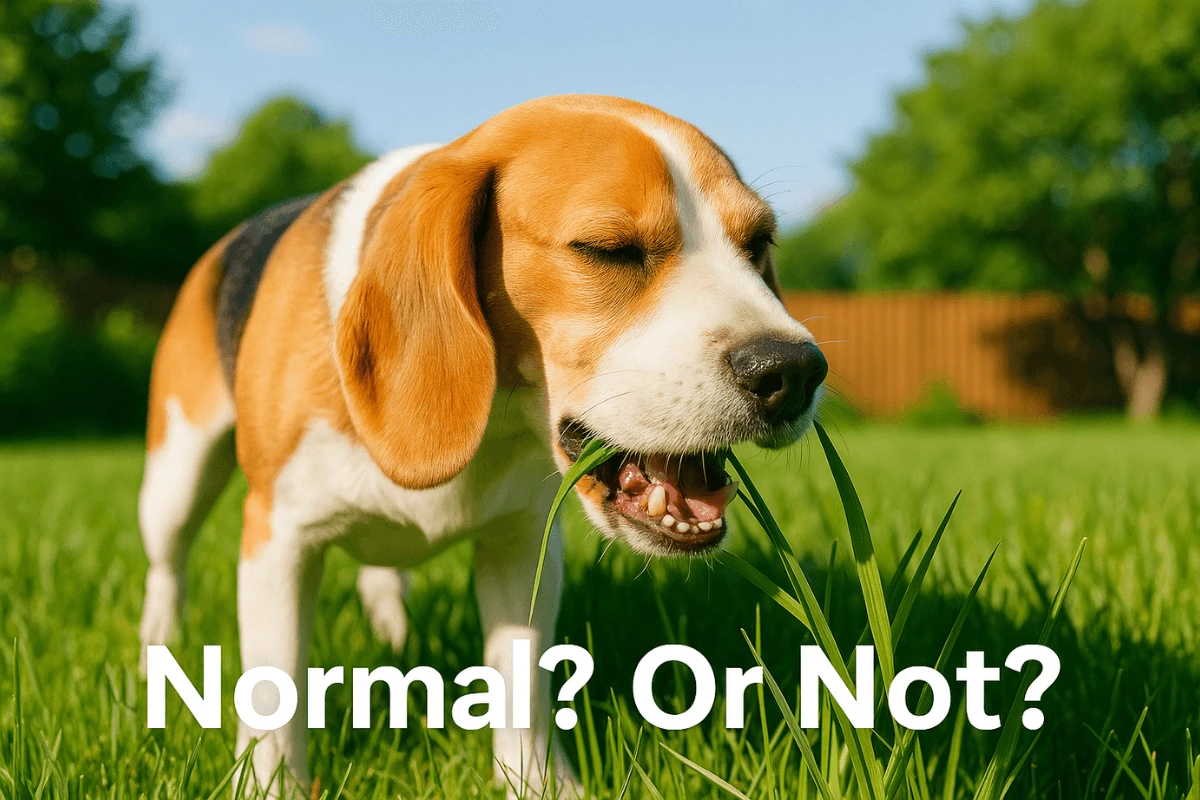
Many experts believe there isn’t just one reason why dogs nibble on grass—there are several, ranging from the logical to the slightly bonkers. Let’s unpack them:
- Digestive relief: Some dogs instinctively eat grass to soothe an upset stomach or trigger vomiting.
- Fiber boost: Dogs may crave grass because it contains natural fiber, which supports digestion.
- Nutritional gap: Poor-quality diets can create deficiencies, leading dogs to seek alternative nutrients.
- Boredom or anxiety: Dogs left alone may graze to pass time or reduce stress.
- Mimicry: Puppies and younger dogs might copy the behavior of older dogs in the household.
Dogs Eat Grass to Help Their Digestion [PetMD, AKC]
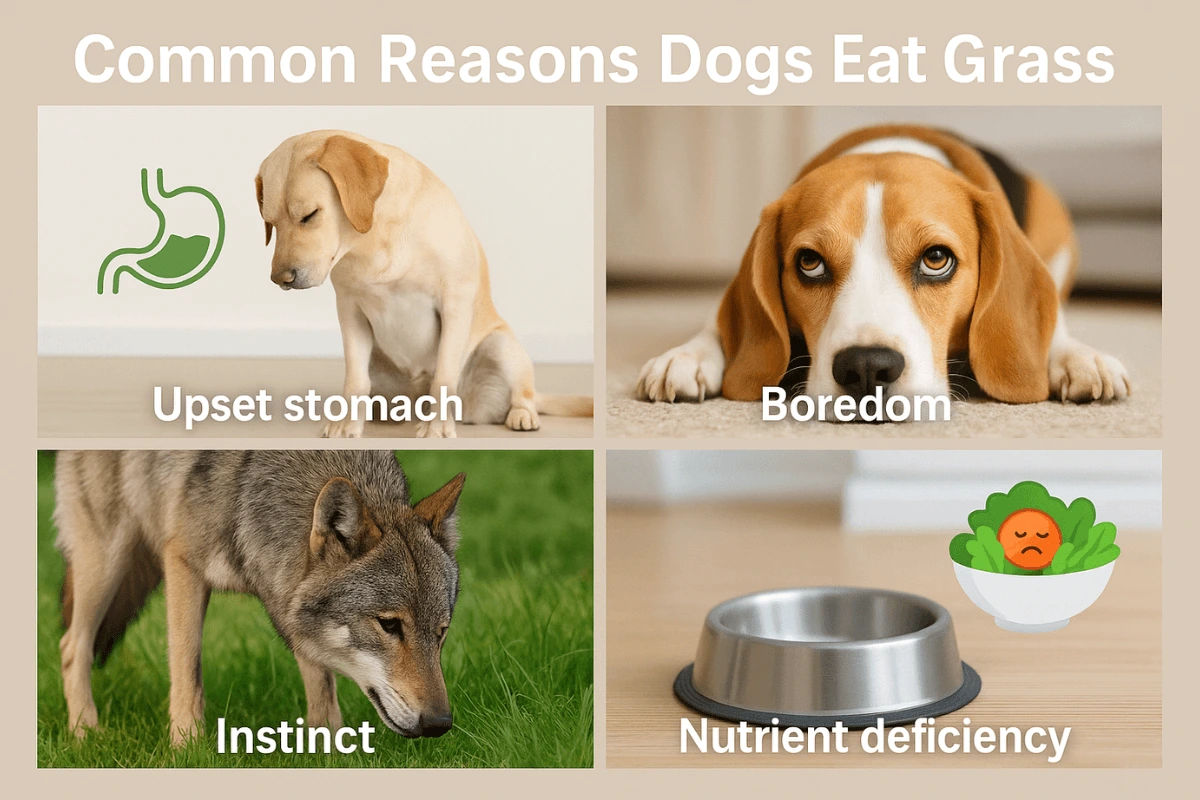
Sometimes dogs may eat grass to induce vomiting or relieve an upset stomach. You might notice your dog eating grass quickly, then throwing up shortly after—this is known in many pet health circles as the classic “vomiting dog eating grass” scenario.
While not all dogs vomit after grazing, this behavior can signal attempts to self-soothe gastric discomfort, especially in cases involving an empty stomach or mild nausea. It’s also linked to grass acting as a mild irritant that triggers regurgitation. If this happens occasionally and your pup seems fine afterward, it’s usually nothing to worry about. However, if vomiting persists, especially after repeated grass-eating episodes, it’s best to consult your vet.
Tracking these episodes using a daily log can help identify patterns and rule out serious gastrointestinal issues, parasites, or diet imbalances.
Grass Cravings Might Be About Fiber [VCA, Psychology Today]
Grass contains insoluble fiber, and some dogs may instinctively seek it out to support digestion. Just like humans might reach for a bran muffin, dogs turn to grass for roughage when their gut feels sluggish.
-
Fiber helps bulk up stools and promote regular bowel movements
-
Dogs may crave grass if their diet lacks whole food fiber sources
-
Frequent grass eating without vomiting can point to dietary gaps
-
Adding natural fibers like pumpkin, broccoli, or oats can reduce cravings

Nutrient Deficiency? Maybe. [WagWalking]
Some believe dogs who are lacking certain nutrients might instinctively go for grass. This behavior is especially common in dogs fed low-quality commercial diets that may not meet all of their nutritional needs.
-
Grass eating can be a response to trace mineral deficiencies, like zinc or magnesium
-
Diets lacking whole food ingredients may lead dogs to seek nutrients elsewhere
-
Dogs with poor gut absorption may crave unusual items (a condition called pica)
-
Switching to a vet-formulated or homemade balanced meal plan can reduce this behavior
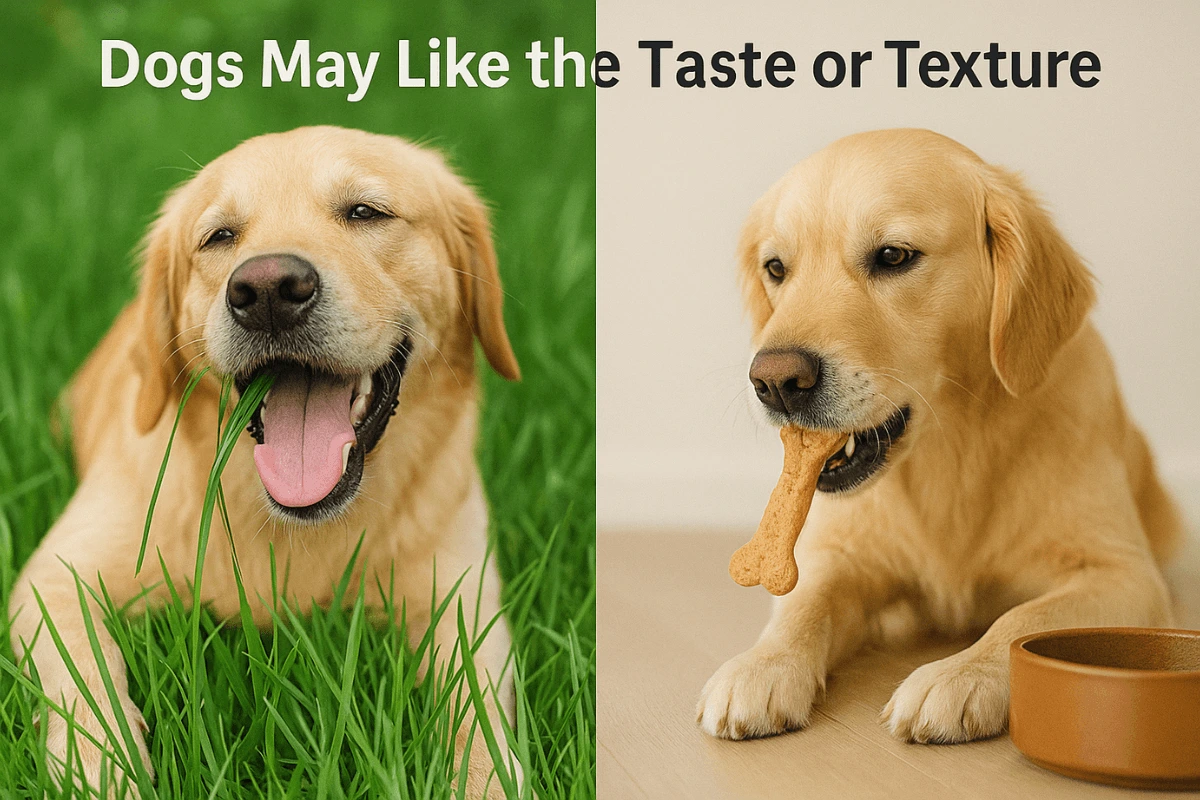
Boredom, Anxiety, or Learned Behavior [Psychology Today, The Spruce Pets]
Dogs left alone in a backyard often turn into lawnmowers simply because they’re bored — and that boredom can quickly turn into habit. Puppies eating grass may also do it to explore the world or mimic older dogs they observe.
-
Lack of stimulation can lead to repetitive grazing behavior
-
Dogs with separation anxiety may chew or eat grass to self-soothe
-
Puppies often use their mouths to explore, making grass an easy target
-
Some dogs copy other pets’ habits without fully understanding the behavior
🐾 Internal Tip: If you suspect your dog’s grass obsession stems from food sensitivities, check out our homemade dog food recipes for sensitive stomachs.
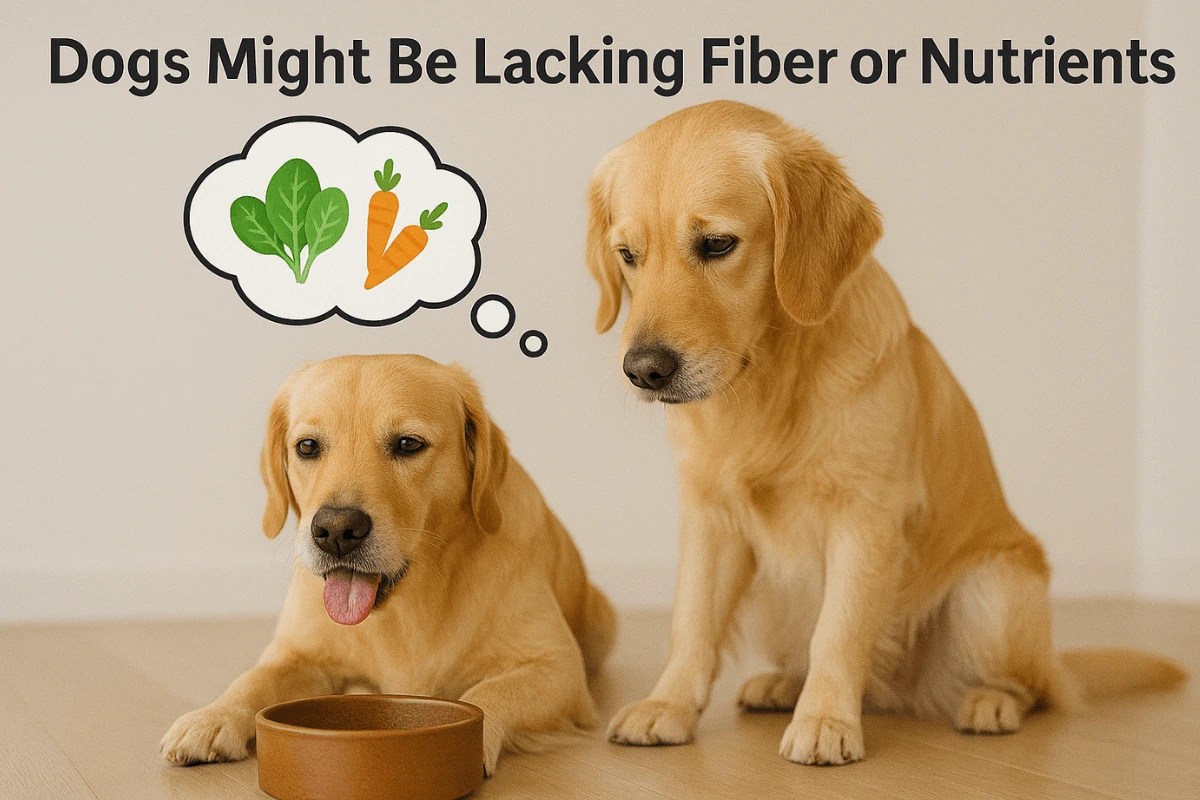
H2: Sudden Grass-Eating Frenzies: What They Might Mean
Some pet parents panic when their dog suddenly starts eating grass like it’s the last salad on Earth. If you searched for “dog suddenly eating grass like crazy,” you’re not overreacting — it’s a thing.
Potential causes include:
- Sudden nausea or discomfort
- Ingested something upsetting
- Anxiety spike (like after fireworks)
- Change in diet or feeding routine
Keep an eye out if this is new behavior. Occasional grazing is fine, but a sudden obsession can be a symptom worth tracking.
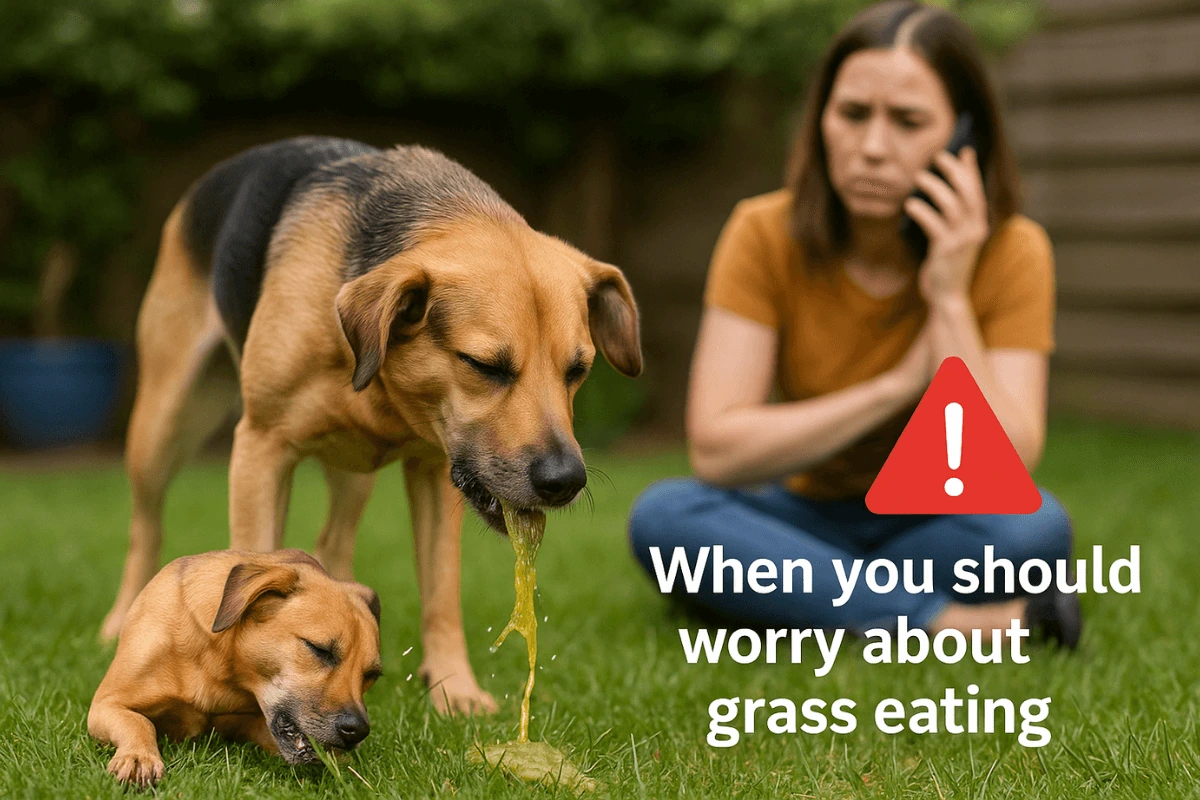
When to Worry: Vomiting, Sickness, and Red Flags
Dog Eats Grass and Vomits – Should I Panic?
In many cases, no. It’s common for dogs to throw up after eating grass — they may even be doing it on purpose. However, frequent vomiting, especially with bile or blood, is a red flag.
-
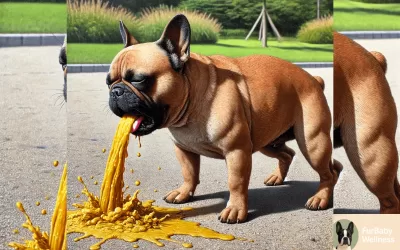
Yellow foam or bile: May suggest acid reflux or an empty stomach, both of which are common in dogs that skip meals.
-
Blood in vomit: This could signal internal injury or poisoning — refer to our Dog Vomiting Blood Emergency Checklist for detailed action steps.
-
Frequent episodes: Recurring vomiting could point to chronic GI issues like gastritis or inflammatory bowel disease. Call your vet.
-
Chemical-treated lawn: Ingesting grass treated with pesticides or fertilizers can be toxic. Always supervise outdoor time if you suspect lawn chemicals are present.
If vomiting becomes consistent, involves foreign objects, or impacts your dog’s appetite or behavior, it’s time to consult your vet for a deeper assessment. You can also begin logging the episodes with our downloadable tracker to support diagnosis and recovery planning.
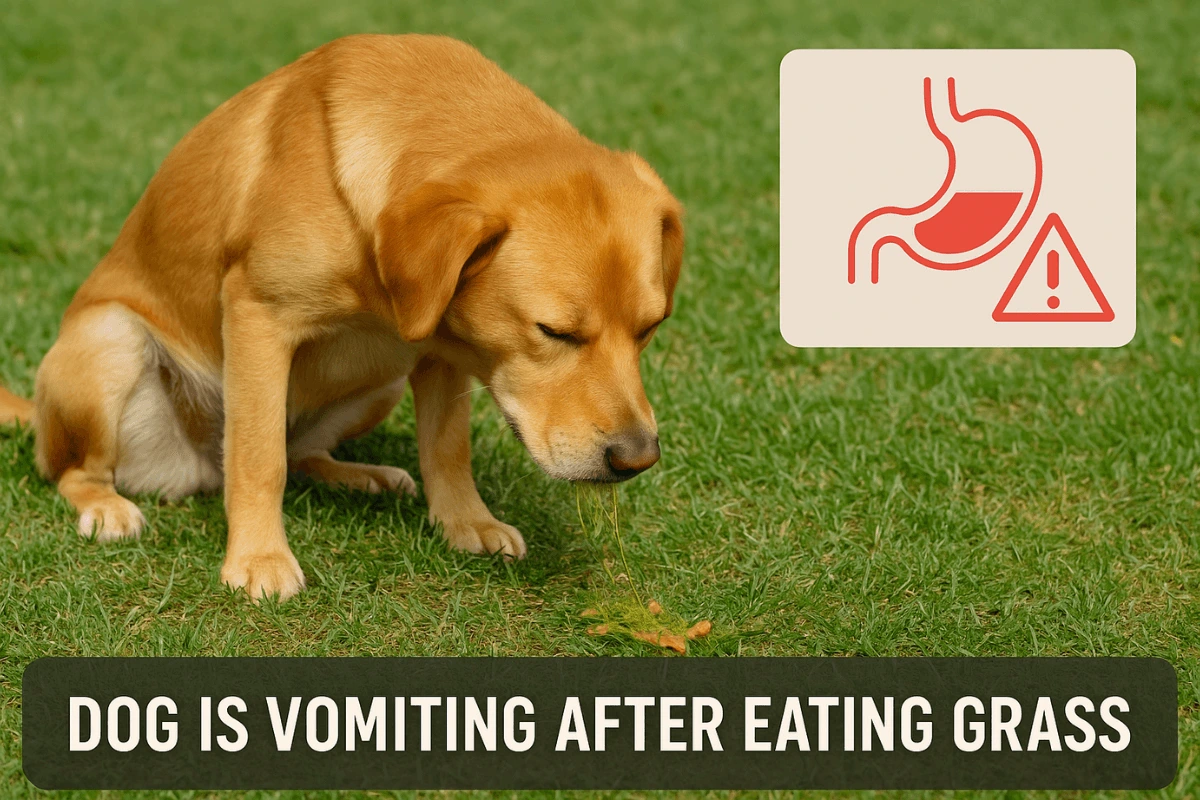
Puppies & Grass: Is It Safe for Young Dogs? [The Spruce Pets]
Puppies eating grass is super common — and adorable — but it still deserves attention.
-
Their digestive systems are more sensitive
-
Puppies haven’t fully developed the enzymes needed to handle certain plant matter
-
Their stomach lining is more prone to irritation from rough fibers like grass
-
They may react more strongly to trace pesticides or soil bacteria
-
Even small amounts of grass can cause vomiting or diarrhea in sensitive pups
-
They’re more prone to parasites from soil
-
They might not know better (or just think it’s a game!)
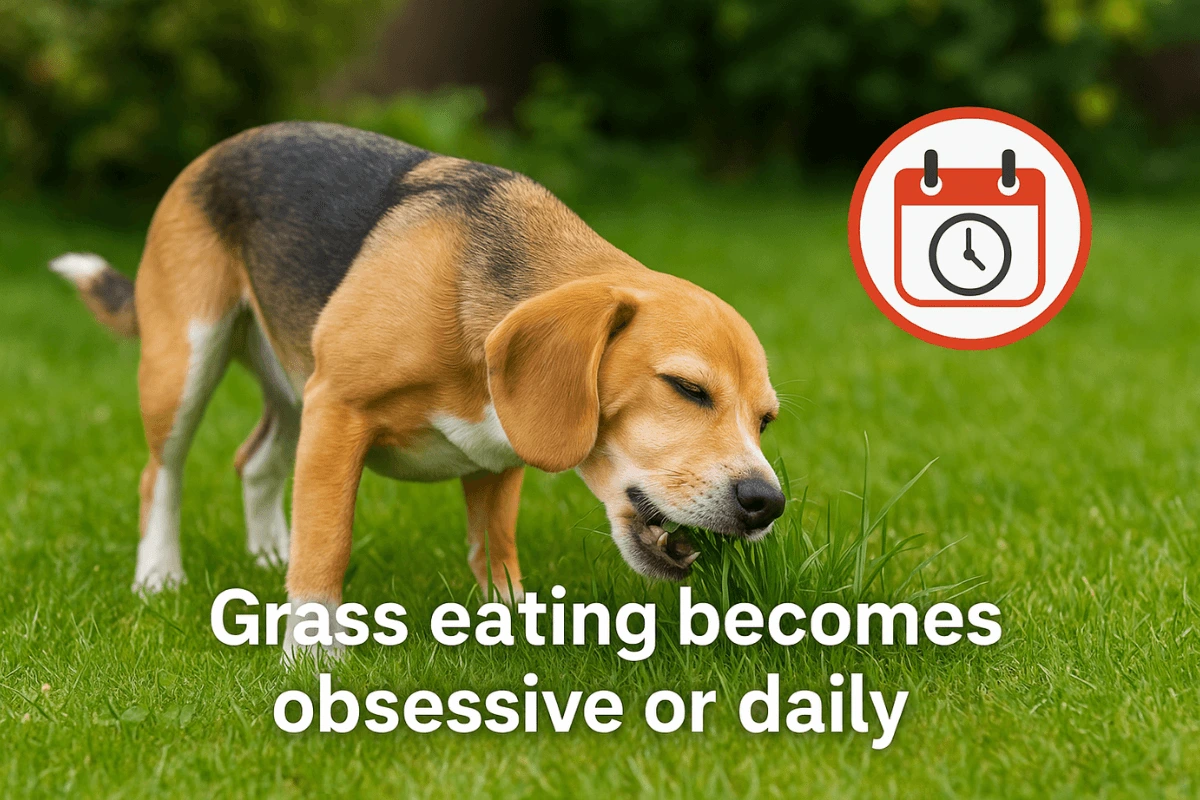
How to Reduce or Stop Grass Eating Safely
Diet Adjustments
-
Add natural fiber sources (like steamed pumpkin or chopped carrots)
-
Consider switching to a high-quality, vet-formulated kibble
-
Try incorporating homemade meals — our Healthy Homemade Dog Food Cookbook can help
Mental Enrichment
-
Use puzzle feeders or snuffle mats
-
Walk your dog more often
-
Rotate toys and games
Train a “Leave It” Cue
A simple “leave it” command can work wonders for lawn grazers. Especially helpful in parks and public areas where other dogs may have been.
Dog Eats Grass? Vet-Approved Guide to Why It Happens + What to Do

People Also Ask
Q: Why Does My Dog Eat Grass During Walks?
A: Dogs often munch on grass during walks due to a mix of instinct, environmental stimulation, and routine behavior.
- Grass blades are fresh, cool, and enticing, especially after dew or rain
- Walks offer new smells and triggers, heightening natural curiosity
- Dogs may associate walking time with their grazing habit — a comfort loop
- Anxious or senior dogs may find the rhythm of grazing during walks calming Dogs often munch on grass during walks due to a mix of instinct, environmental stimulation, and routine behavior.
- Grass blades are fresh, cool, and enticing, especially after dew or rain
- Walks offer new smells and triggers, heightening natural curiosity
- Dogs may associate walking time with their grazing habit — a comfort loop
- Anxious or senior dogs may find the rhythm of grazing during walks calming? Dogs often snack on grass during walks due to curiosity, scent stimulation, or as part of a daily ritual. Outdoor environments provide a new sensory playground that’s irresistible to many pups.
- Fresh grass smells and textures stimulate natural foraging instincts
- Dogs may associate walks with routine grazing opportunities
- Some dogs find the cool, damp blades refreshing or soothing to chew
- Grazing can serve as a comforting ritual, especially for anxious or senior dogs Many dogs get the urge to munch on grass while outside because they’re stimulated by new smells and textures. Walks offer a fresh buffet of greens that aren’t available at home.
Q: Can Dogs Eat Grass When They're Hungry?
A: Yes, some dogs graze when they’re feeling hungry. If meals are delayed or your dog is on a calorie-restricted diet, they may turn to grass to fill the gap.
Q: Why Do Some Dogs Only Eat Grass in the Morning?
A: Early morning grass eating may relate to empty stomach nausea or acid buildup overnight. Morning grazers could be self-medicating.
Q: Is It Normal for Senior Dogs to Eat More Grass?
A: Senior dogs may increase grass consumption due to age-related digestion issues or reduced appetite. It can also be a learned habit that has become more frequent.
Q: Why Is My Dog Eating Grass All of a Sudden?
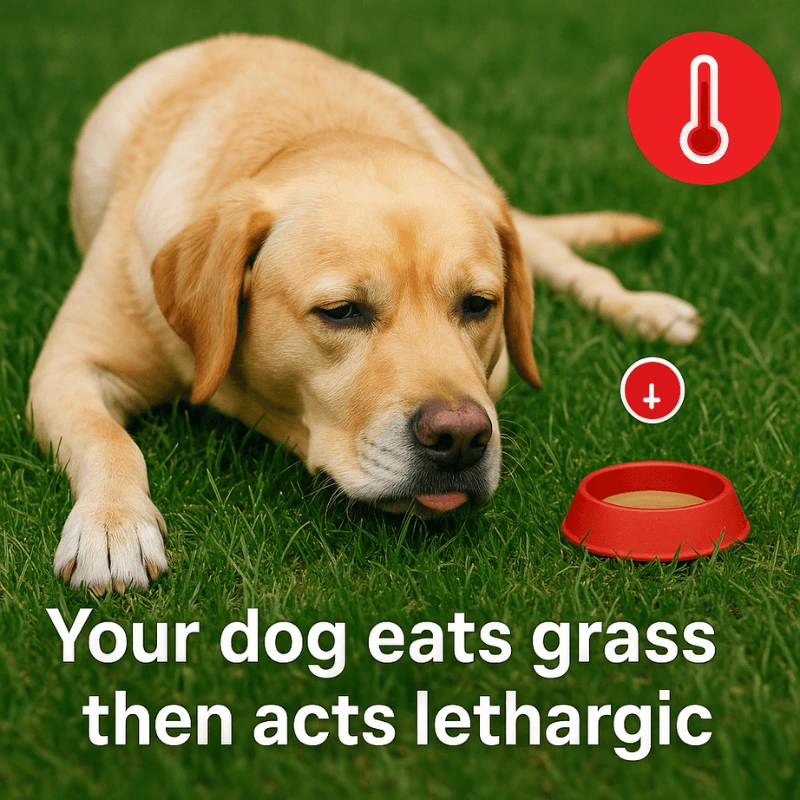
A: Sudden interest in grass might signal nausea, boredom, stress, or a change in diet. If paired with vomiting or lethargy, consult your vet.
Q: Is It Safe for Dogs to Eat Grass?
A: Generally, yes — as long as the grass isn’t treated with pesticides or fertilizers. Watch for signs of distress, vomiting, or diarrhea afterward.
Q: Why Does My Dog Eat Grass Only at Night?
A: This may be related to hunger, digestive discomfort, or a calming ritual. Evening behaviors can be patterned, so logging it can reveal insights.
Q: Can Grass Eating Cause a Blockage?
A: It’s rare, but possible. Dogs that consume large amounts or have trouble digesting grass may be at risk of a blockage, especially if vomiting follows.
Q: Does Grass Help a Dog's Upset Stomach?
A: Some dogs may eat grass to ease tummy troubles, but science is still mixed. If your dog frequently vomits afterward, it could be their way of self-soothing.
Q: Should I Let My Dog Eat Grass at the Park?
A: Only if the grass is chemical-free and your dog isn’t exhibiting signs of illness. Always supervise and discourage obsessive grazing or dirt consumption.
Myths About Grass Eating in Dogs
Myth 1: Dogs Only Eat Grass When They’re Sick
This is one of the most common myths — and it’s simply not true.
-
Many dogs eat grass when they’re perfectly healthy
-
Grazing can be a form of play, exploration, or boredom relief
-
Dogs may seek out grass for fiber or instinctual reasons unrelated to illness
-
Illness-linked grass eating is typically accompanied by other symptoms like vomiting, lethargy, or appetite loss
Myth 2: Grass Eating Means Your Dog Needs Worming
This myth likely comes from the idea that parasites might drive a dog to eat grass — but there’s no solid science behind that claim.
-
Most dogs with worms show more obvious symptoms like weight loss, diarrhea, or visible worms in stool
-
Grass eating isn’t a reliable indicator of internal parasites
-
Regular vet checkups and deworming schedules are better ways to protect your pup
-
If you suspect worms, consult your vet for a fecal test rather than assuming based on behavior
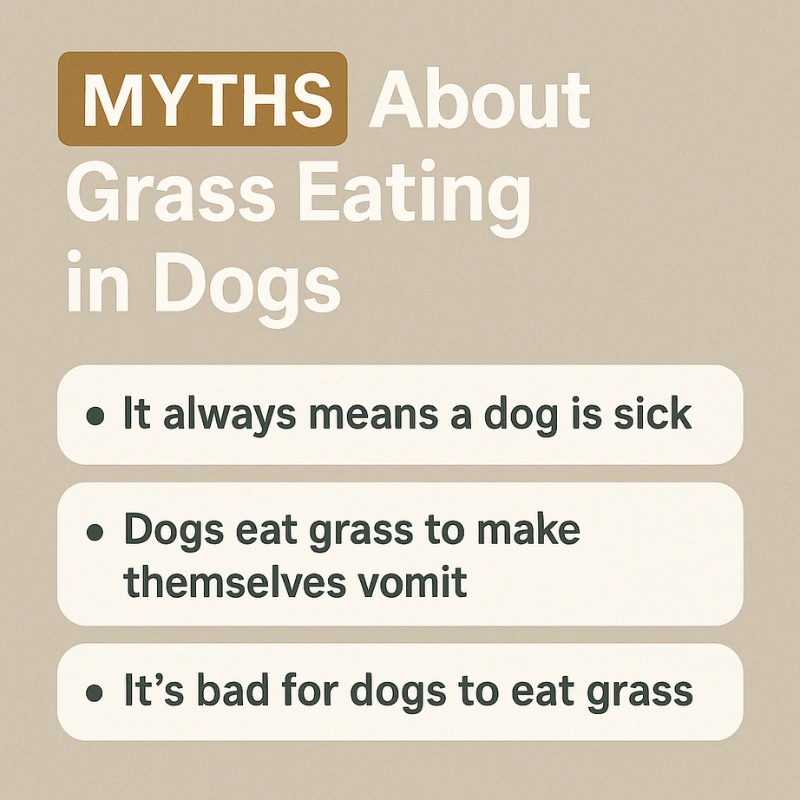
Myth 3: Dogs That Eat Grass Have a Nutritional Deficiency
This myth persists because it sounds logical — but it’s only sometimes true. Not all dogs that eat grass are missing key nutrients.
-
Dogs on complete, balanced diets may still graze out of boredom or habit
-
Grass doesn’t contain meaningful nutrition to fill real dietary gaps
-
A vet can run tests to confirm if your dog is truly deficient in vitamins or minerals
-
If you’re feeding high-quality food and your dog is thriving, this myth likely doesn’t apply
Myth 4: It’s a Sign of a Serious Disease
While it’s easy to jump to worst-case scenarios, grass eating alone isn’t usually an indicator of a serious illness.
-
Most dogs who eat grass show no other signs of being unwell
-
Serious diseases like cancer or chronic GI disorders involve more than just grazing behavior
-
If your dog is eating grass AND showing other symptoms — like fatigue, vomiting blood, or weight loss — then a vet check is warranted
-
Grass eating in isolation is typically harmless and behavioral, not medical
What Vets Really Think: Expert Insight
“Grass eating is usually a behavioral quirk, not a crisis. We look at the pattern, frequency, and other symptoms. If everything else checks out — appetite, energy, digestion — it’s likely just normal dog stuff.”
— Dr. Lisa Romero, DVM
“We often reassure pet parents that dogs eating grass doesn’t mean something is terribly wrong. But any sudden change should be noted — and bringing it up during your regular checkup is always wise.”
— Dr. Jenna Clarke, DVM

Deeper Dive: How to Truly Treat Chronic Grass Eating [Cornell Vet, Tufts Vet]
If your dog is obsessively eating grass daily, and it’s affecting their digestion, energy, or mood — here’s a deeper plan:
Step 1: Get a Full Health Workup
-
Rule out underlying issues like parasites, GI inflammation, or dental problems
-
Ask for a nutritional profile if available
Step 2: Switch to an Easily Digestible Diet
-
Use limited-ingredient dog foods
-
Try bone broth, plain rice, or white fish for resets
Step 3: Add Gut-Supporting Supplements
-
Probiotics for dogs (look for at least 1 billion CFU)
-
Digestive enzymes if meals are rich or dense
Step 4: Monitor with a Behavior Journal
-
Note time, duration, location, and symptoms every time your dog eats grass
-
Look for repeat patterns or triggers
Download: Free Vet-Approved Grass-Eating Tracker (Coming Soon!)
Want to know when grass eating is just a quirky habit or a sign of something deeper? Our printable tracker will help you log frequency, behavior, and symptoms.
Sign up for the FurBaby Wellness Club to get it when it drops!
Final Woof: Grass eating is weird, yes — but it’s also surprisingly common. Whether your pup is a part-time grazer or an all-out lawn hoover, knowing what to watch for makes you a better fur parent. And hey, better informed means fewer midnight Google panics. 🐶🌿
References:
American Kennel Club (AKC). “Why Do Dogs Eat Grass?”
VCA Animal Hospitals. “Why Do Dogs Eat Grass?”
PetMD. “Why Do Dogs Eat Grass?”
Psychology Today. “Why Dogs Eat Grass: Myth Debunked”
The Spruce Pets. “Why Puppies Eat Grass”
Cornell University College of Veterinary Medicine. “Understanding Canine Digestive Behavior”
Tufts University Cummings School of Veterinary Medicine. “What’s Going on When Dogs Eat Grass?”
WagWalking. “Is It Safe for Dogs to Eat Grass?”
Still have questions? Leave a comment below or sniff around our blog for more health-packed dog wisdom.




















0 Comments